
Skip to content Skip to footer

3.5 Hrs

From Cairo, with transfers arranged

16 Lodges

Built from authentic stone

35 Guests

So there’s always room for silence

All year

With programs shaped to each season

New Hermopolis is where our seasonal retreats happen: an eco-village in Tuna El Gebel, Minya, about three and a half hours by road from Cairo, surrounded by olive groves, desert and the ancient sites of Thoth. Each retreat is a small-group journey through ceremony, sound, shamanic practice and visits to temples and tombs, with space to reflect and time to process in between. We handle everything, from transport and rooms to meals and every session, so you can arrive with nothing but your intention. The village is open all year, and programs change with the seasons.

When Is the Best Time to Visit New Hermopolis?

October to April: Full Retreats

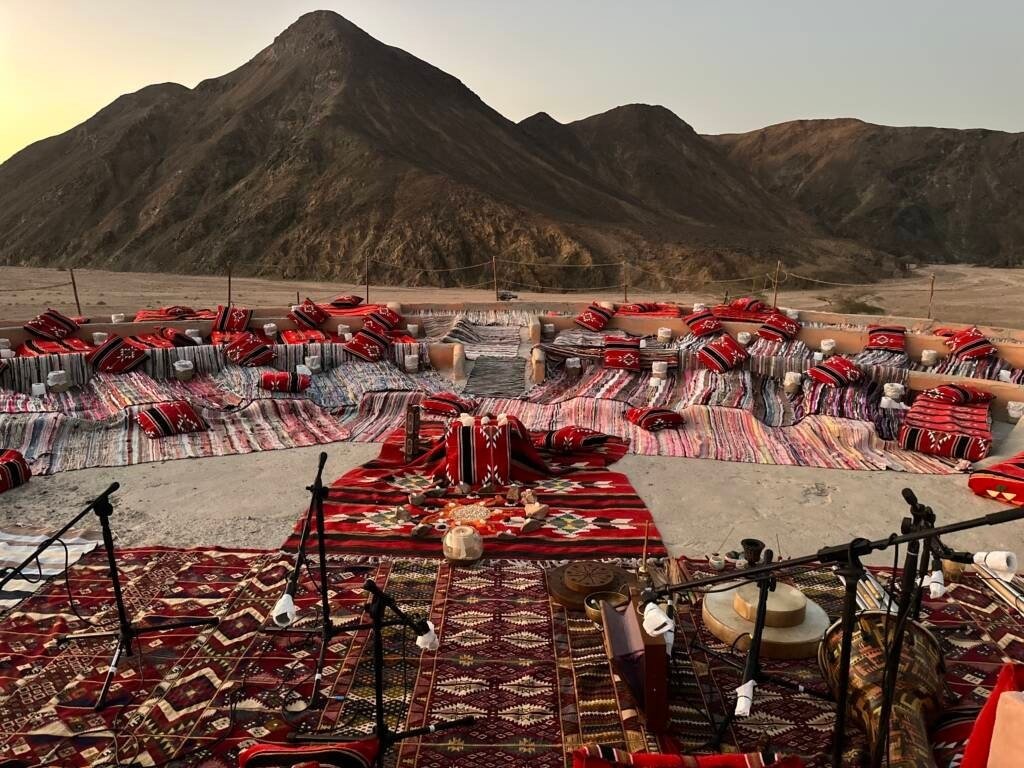
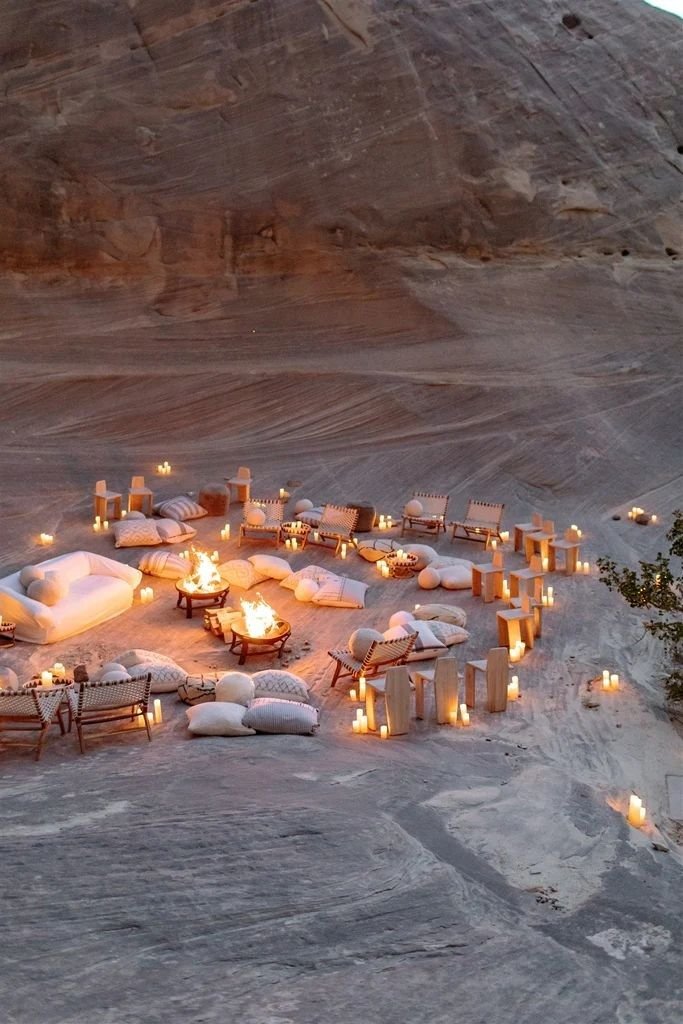
Bright, mild days and cool, still evenings make these months ideal for practice: sound journeys in the courtyards, ceremonies under an open sky, and unhurried days at the temples and tombs nearby. The full retreats run now, with time to move from intention through ceremony to integration.Best for: complete retreats, deeper inner work, and guests who want time to let the experience settle.

Summer: Shorter Programs

We practice and visit the sites at sunrise, rest through midday in the cool stone lodges, and gather at sunset for sound and ceremony. A few days, ideal for a long weekend, with quieter sites and easier booking.Best for: travelers adding a few meaningful days to a wider Egypt trip, guests short on time, and first-timers new to ceremony.
Where the seasons are felt, not just seen

A Village Built in Rhythm With the Sun

4

New Hermopolis was designed around the sun’s yearly path, so the light moving across its courtyards, Lotus lake and stone walls changes from one season to the next. Our ceremonies move with that light. Each one begins at the altar, prepared fresh with flowers, herbs and sacred symbols, and the hour and the season shape how it feels. There’s a quiet sense of mystery to this place, and you notice it most in these moments.

BeforeBeforeAfter
Ancient Egypt’s best-kept secret

Why Middle Egypt?


Most journeys through Egypt move between Giza and Luxor, and Middle Egypt is the part most visitors never see. Yet Minya’s governor ranks the region third among Egypt’s archaeological governorates, right after those two. At its heart is ancient Hermopolis, the city of Thoth, the god of knowledge and wisdom, whose Greek counterpart Hermes gave the city its name.

That’s what makes it such a powerful place for a retreat. In the morning, you walk through temples and tombs and learn the history and symbols behind them; in the evening, you bring what you saw into ceremony. Here, Egyptology and spiritual practice stop being two separate things. Many guests describe their time at these sites as a way of aligning with the ancient ones, and of remembering who we once were.


Ancient stone, living gardens, quiet spaces

The Village

New Hermopolis was built over ten years, more than two decades ago, on 10 acres of olive groves, vineyards and sycamore trees. With 16 guest lodges and room for up to 35 guests, groups stay small and there’s always a quiet corner to call your own.

The lodges are built from authentic stone blocks, the same stone the ancient Egyptians used to raise their temples, and the village runs on ecological principles, recycling, reusing and monitoring its water. There’s no traffic and no crowds; just wind in the trees, warm stone and a wide open sky. It’s a real Egyptian countryside village, simple and grounded, and it gives a retreat exactly what it needs: rest, presence and time.

Sacred Sites Within Reach

Tuna el-Gebel

The necropolis of ancient Hermopolis and the largest known Greco-Roman necropolis in Egypt. It holds the tomb of Petosiris, high priest of Thoth, and catacombs containing the mummified remains of the ibis and the baboon, the two animals sacred to the god.

Hermopolis (El Ashmunein)

Thoth's ancient cult center, and still a place of discovery: the upper part of a huge statue of Ramses II was uncovered during excavations here in 2024.

Tell el-Amarna

The capital built by Akhenaten, and the most visited ancient site in Minya by foreign travelers, followed by Beni Hasan and Tuna el-Gebel.

Beni Hasan

Middle Kingdom rock-cut tombs carved into the cliffs more than 4,000 years ago for regional governors and noblemen.
Easy to reach, fully arranged

Getting to New Hermopolis

Most guests fly into Cairo International Airport, and from there New Hermopolis is about three and a half hours by road, near the town of Mallawi in Minya. If you’re already traveling in the south, you can also take the train from Luxor to Minya. We arrange ground transport for everyone on our programs, so once you land in Egypt, the rest of the journey is taken care of.

About New HermopolisWHERE EVERY STAY GIVES BACK

New Hermopolis was founded by Dr. Mervat Abdel Nasser, a fellow of the Royal College of Psychiatrists who served as a clinical psychiatrist and university academic in England from 1977 to 2007. The village was built on a hybrid social-business model, raising revenue from its activities to invest in social and cultural programs within local communities. Today, Holistic Egypt manages the village and carries that mission forward, so your stay also supports cultural and educational work in Minya.

Is a Seasonal Retreat Right for You?

Join a Seasonal Retreat

A guided program with a small group, set dates and everything arranged for you, from ceremonies and site visits to meals and transport. You simply arrive and settle into the stillness of the village.

Prefer Your Own Dates?

No problem. Travel privately with our Individual & Small Groups retreats, or design a program for your own group with Create Your Own Retreat. Both can include time at New Hermopolis.

Seasonal Retreat FAQs

What does a day on retreat look like?

Most days begin with meditation or breathwork as the village wakes up. After breakfast, we head out to one of the nearby ancient sites. Afternoons are yours to rest, read in the shade or walk among the olive trees, and at sunset the group gathers again for ceremony. Evenings end with dinner together and, when the group wants it, a sharing circle.

What happens during a ceremony?

Every ceremony starts at the altar, set with flowers, herbs and sacred symbols, with a quiet moment to set your intention. From there, it might be a Blue Lotus or herbal ceremony drawing on the herbal knowledge of ancient Egypt, a sound journey, or meditation and voice work. Ceremonies can lead to courageous encounters with your own thoughts and feelings, so our facilitators stay close the whole time, and the integration that follows gives you time to process what came up. Our ceremonies are spiritual and cultural experiences, not medical or psychological treatment.

What role do sound and shamanic practices play?

Sound sits at the center of many of our ceremonies. We work with rare instruments, many of them seldom heard outside ceremony, chosen for their tones and frequencies and played with the intention of raising the vibration of body, mind and spirit. Alongside sound, we draw on shamanic knowledge and practices such as drum journeys, breathwork and working with plant allies, opening an experience that reaches into the depths of thought, mind and spirit.

PLAN YOUR RETREAT

Ready to Begin?

Tell us who's coming, when you'd like to travel and what you hope to explore. We'll get back to you to arrange a video consultation and start shaping your retreat.

    Stay close to the journey

    Sign up for updates on upcoming retreats, ceremonies, events, and new offerings from Holistic Egypt.